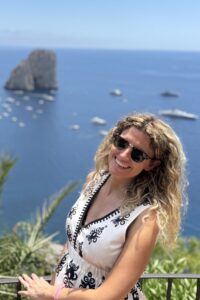
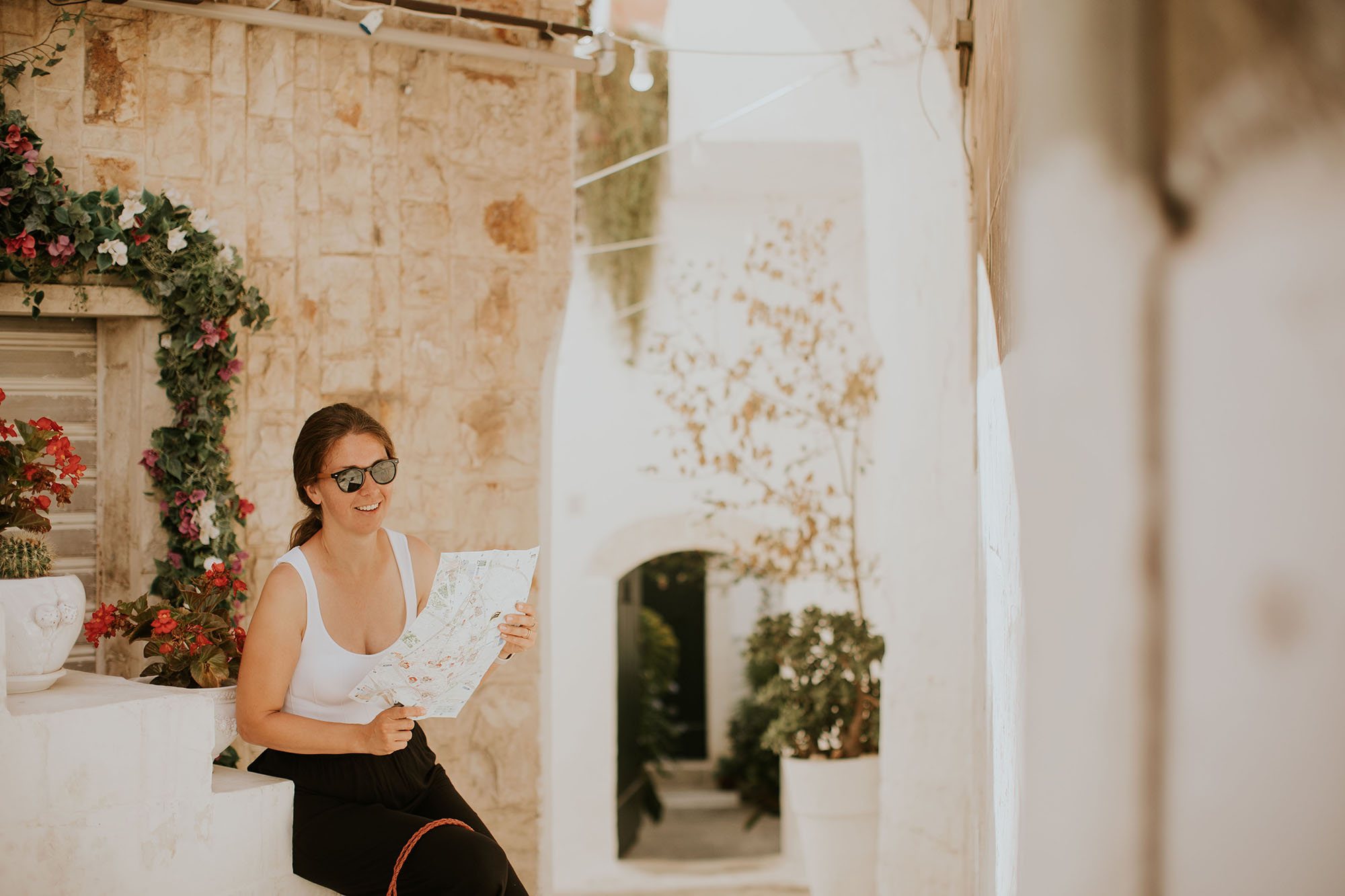
Heather‘s reason for traveling alone was a modest one: she wanted to find out what she would do with a day if nobody else had a say in it. In her words: “My friends think I’m brave for going alone. I just want a week where everything is about what I feel like doing.” Her divorce had become final the year before, and her two children are grown and live in other states. Every trip she had taken abroad had been with her family or, later, with friends. She likes to walk and to eat well, and she had asked for time to read and for something to make with her hands.
Matera, across the border in Basilicata, was the place Heather kept coming back to when Martina went through the options with her, so it sits in the middle of the trip. Lecce, in the far south of Puglia, came before it, and a masseria (a fortified farmhouse turned small hotel) in the olive country near Ostuni came after. Most bookings fell in the morning, Days 3 and 8 were hers alone, and every move between towns was by private car.
Heather represents the travelers who come to us ready to see Italy on their own terms. Martina designs each of these journeys around one person, which is why no two of them turn out alike.
01OF 3 STOPS
Lecce
International arrival · Brindisi Airport · Private car · approx. 40min
3 NIGHTS
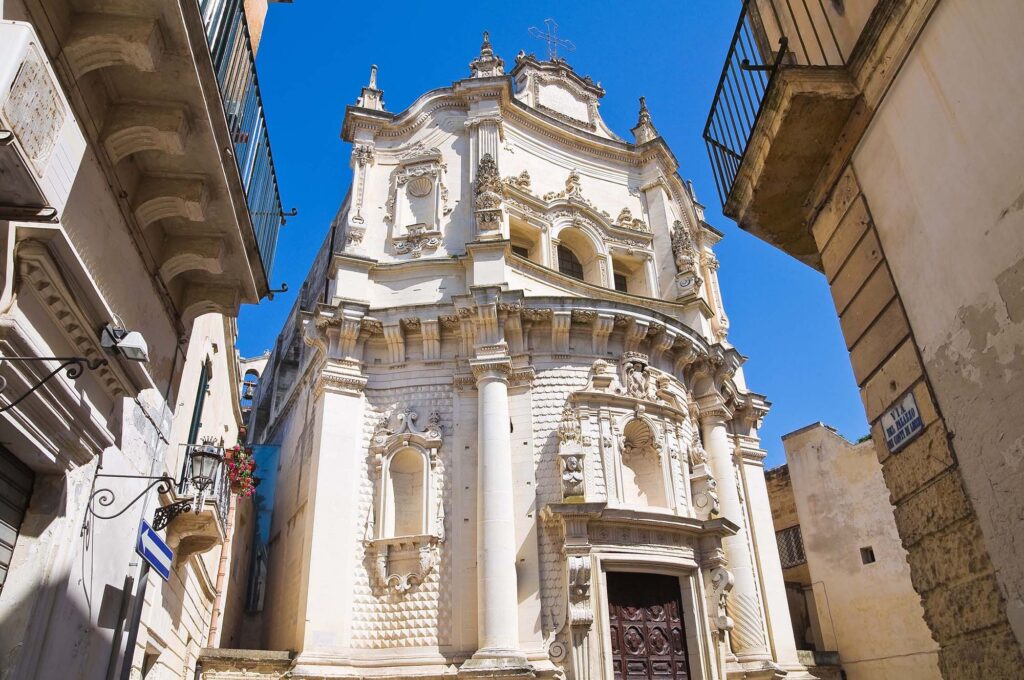
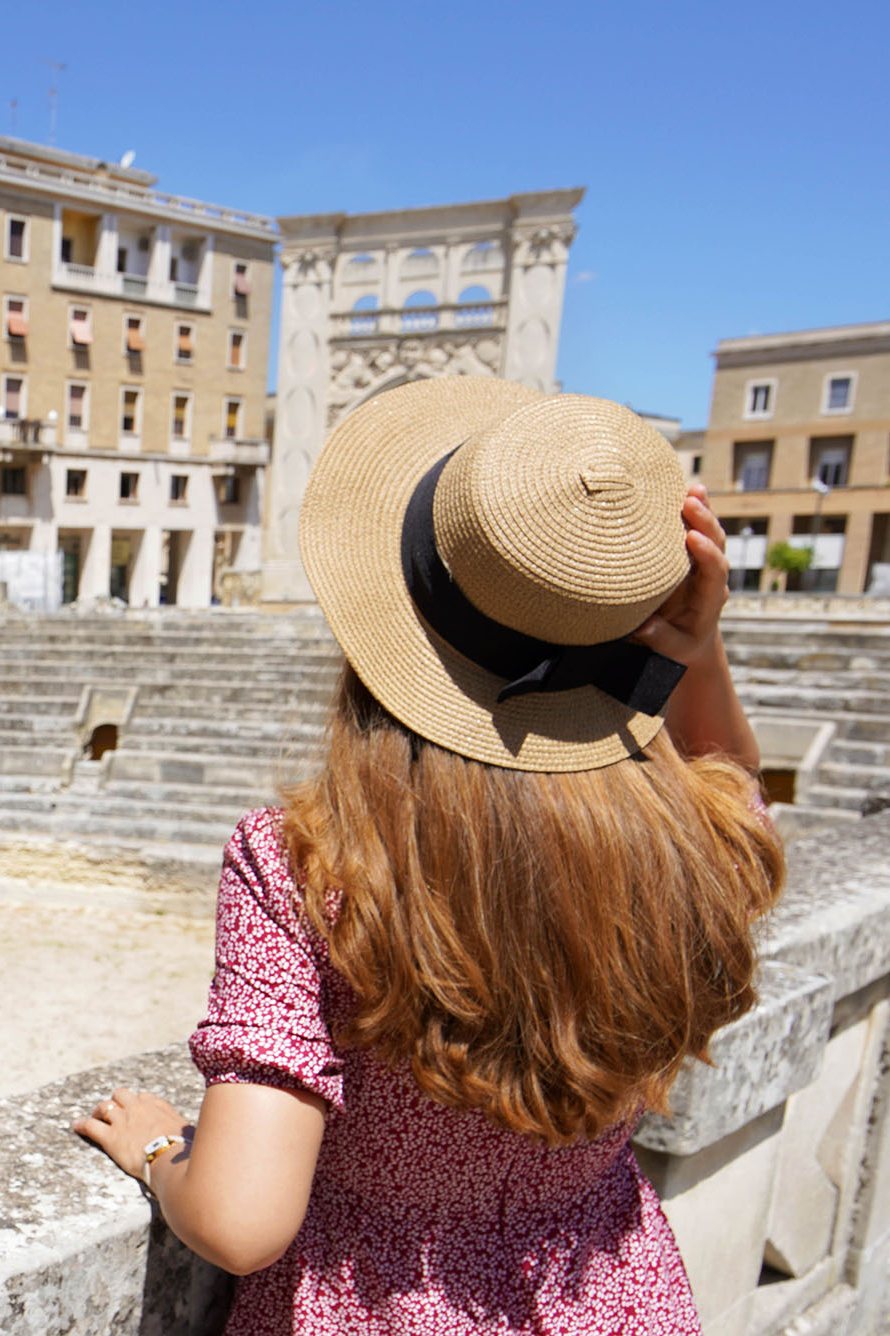
Carved baroque stone in Lecce
Day 1 · Piazza del Duomo at dusk
Heather’s flight to Brindisi had one connection, and the drive south from there to Lecce took forty minutes. The olive groves along the road showed what Xylella, a bacterium, has done to the Salento, the peninsula at the heel of Italy, since 2013. Some fields held dead gray trunks, and in others young trees stood in rows where the old ones had been. Her hotel was an old palazzo set around a courtyard, a few streets from the cathedral. Soon after eight she was eating pittule, puffs of fried dough, in Piazza del Duomo, the enclosed square around the cathedral.
SINGLE ROOMS IN ITALIAN HOTELS
In Italian hotels a true single is usually one of the smallest rooms in the building, with a narrow bed. It costs a little less than a double for single use, a doppia uso singola (DUS on a booking). Heather had a DUS for all eight nights, and in Matera hers also came with a terrace.
Day 2 · A papier-mâché workshop
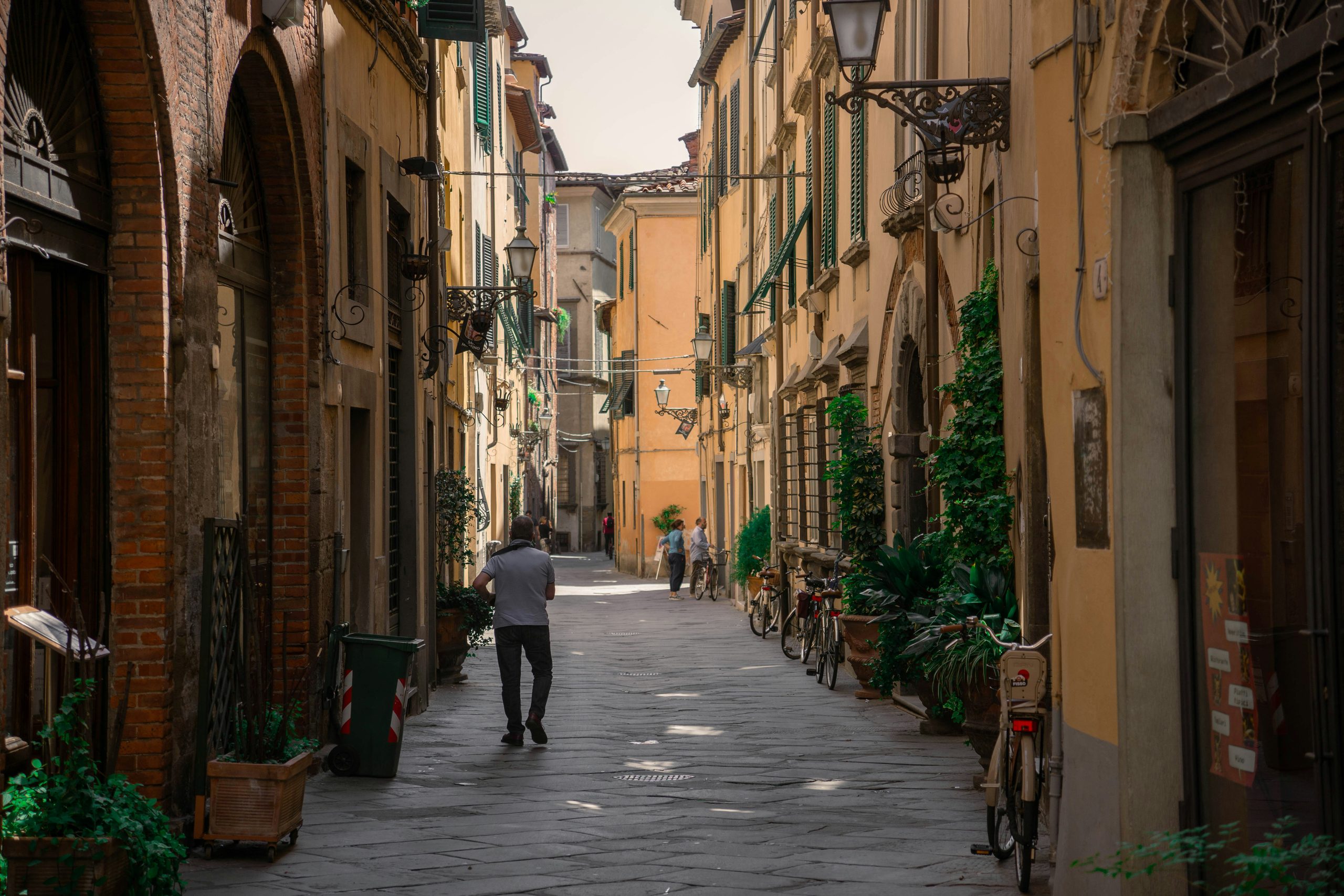
At 9:30 she met her guide, a woman from Lecce, who led her through the baroque center, past church facades of soft local stone, carved with rose windows and garlands. Her best hour of the morning was in the workshop of a papier-mâché artisan, who had a half-finished saint on his bench. He showed her how Lecce’s church statues have been made since the seventeenth century: layers of paper and flour paste go over a core of straw and wire, and small spoons heated red-hot set the folds of a robe. She bought a figure small enough for her carry-on, and the guide then took her to the contemporary studio of an artist known well beyond Italy.
Heather stayed in until evening and went to a trattoria nearby, where she ordered ciceri e tria, the Salento dish of chickpeas and handmade pasta in which part of the pasta is fried crisp.
Day 3 · The museum under a house
Heather began her third day at the Museo Faggiano, a museum in a private house on Via Ascanio Grandi. Restoration work there turned up pre-Roman Messapian walls and Roman cisterns under the floors, and one shaft drops about 10 meters (33 feet) toward an underground river. Before noon, on her way back to the hotel, she had a pasticciotto, the custard-filled pastry of Lecce, with an espresso in a café. After lunch she kept to the hotel’s courtyard. That evening she walked to Piazza Sant’Oronzo, where a third of an amphitheater thought to date from the reign of Augustus lies open below street level and the rest is still under the square.
02OF 3 STOPS
Matera
Private car from Lecce · approx. 2h30
2 NIGHTS
The Sassi of Matera, on the UNESCO World Heritage List since 1993
Day 4 · Down the steps to the Sassi
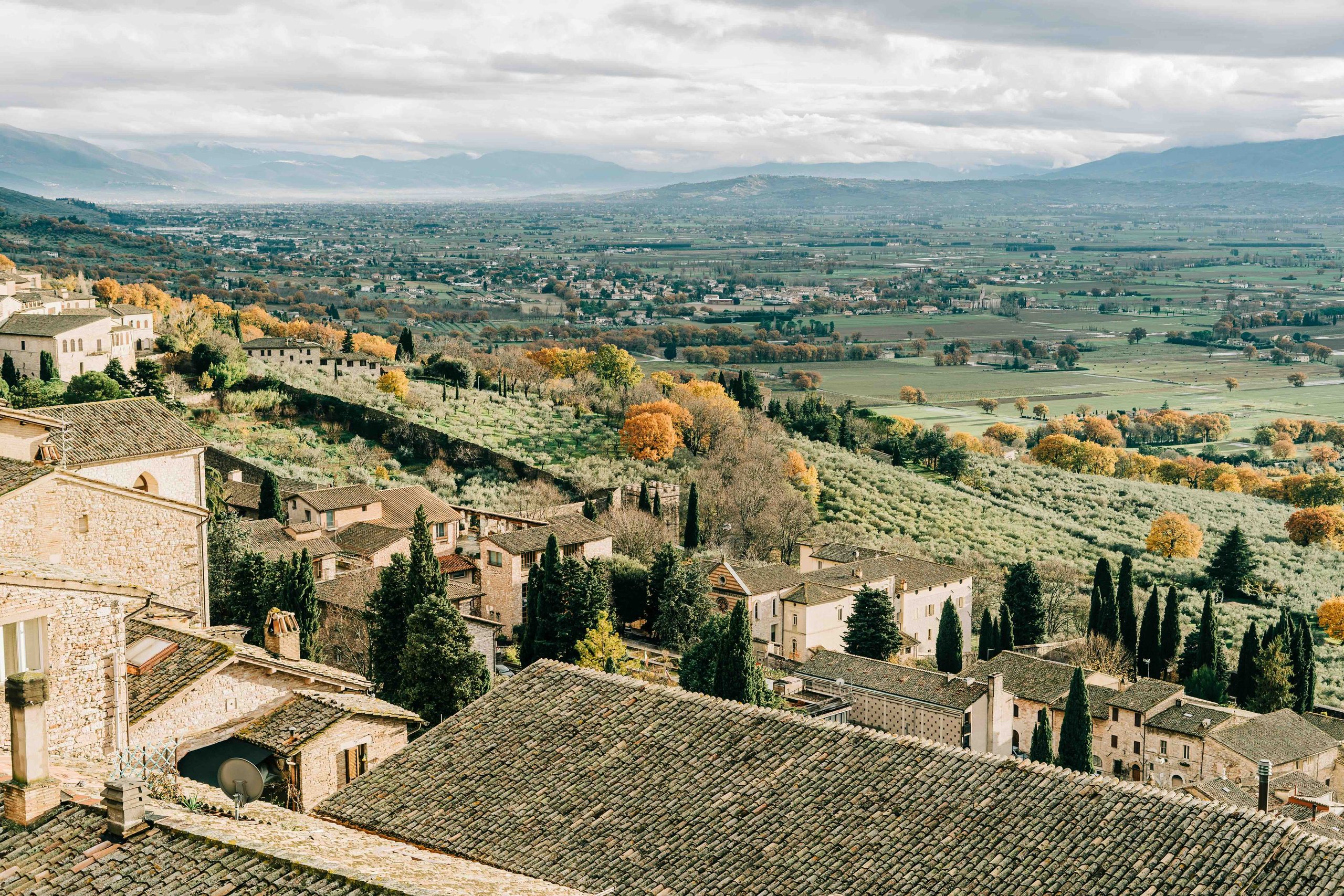
The drive from Lecce took about two and a half hours, and its last stretch crossed the Murgia, a dry limestone upland of wheat fields and stone walls. Cars cannot reach the heart of the Sassi, the old cave districts of Matera, so the driver stopped where the hotel had told him to (a porter carried her suitcase down the last flights of steps). Her room had been cut out of the rock, with a vaulted ceiling and a terrace over the Gravina, the ravine beneath the old town. She spent the afternoon walking the Sasso Caveoso, one of those districts, as far as San Pietro Caveoso, a church on the rim of the gorge, facing the caves on the far side.
STAIRS IN THE SASSI
Most of the Sassi are closed to ordinary traffic, and their lanes are steps and worn limestone. Some hotels send a porter up for the bags and some do not, but nearly every guest walks down to the door on arrival and back up on departure. How a client manages stairs is one of our first questions when we choose a hotel in Matera. For anyone who would rather avoid them, we book in the upper town, on level streets a few minutes above, and talk the walking tour through with clients who find stairs hard.
Day 5 · A loaf of Matera bread
At the bakery on the morning’s walking tour, Heather watched loaves being shaped from durum wheat grown nearby, much of it descended from the Senatore Cappelli variety, and the loaf’s shape is said to recall the hills of the Murgia. Until 1950, each family in Matera marked its dough with a wooden stamp, often carved by a shepherd, to pick out its loaf after baking. She chose a tall, dark-crusted loaf and carried it to her room wrapped in paper.
She ate lunch on a stool at the counter of a place dug into the rock, where the owner told her about the 1950s, when a law moved the people of the Sassi out to new neighborhoods. Before sunset, lesser kestrels, small falcons that nest by the hundreds in the stone walls of Matera, came back from the fields and circled over the ravine below her terrace.
WHAT STAYED
Heather, on her first morning in Matera: “I woke up before the sun, so I made coffee in the room and took it out to the terrace. The Sassi were still quiet, and for an hour I watched the light come across the ravine without having to say a word about it to anybody.”
The Gravina ravine below the old town, Matera.
03OF 3 STOPS
Ostuni and the Masseria
Private car from Matera · Olive oil picnic at a masseria on the way · approx. 2h driving
3 NIGHTS
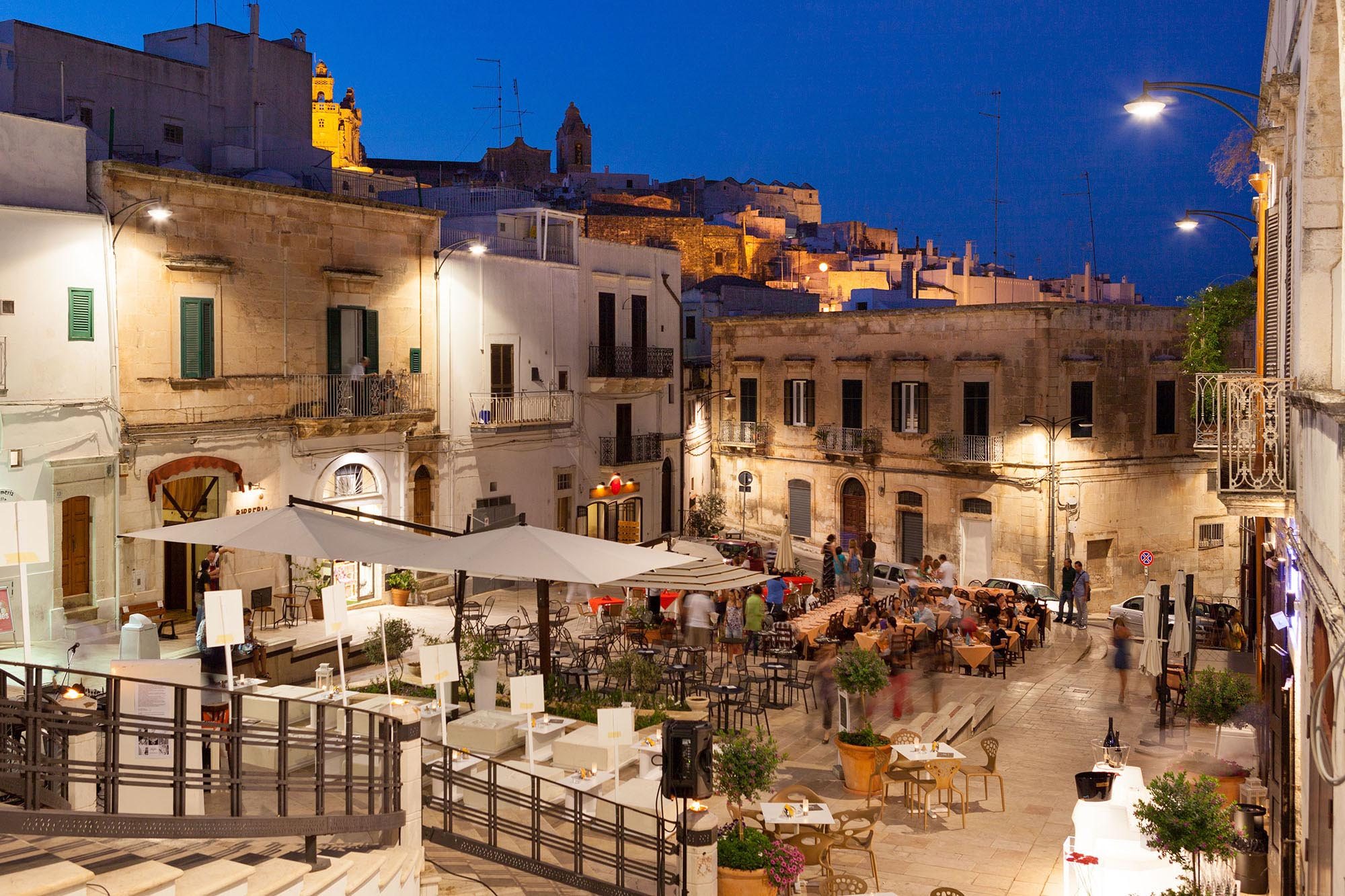
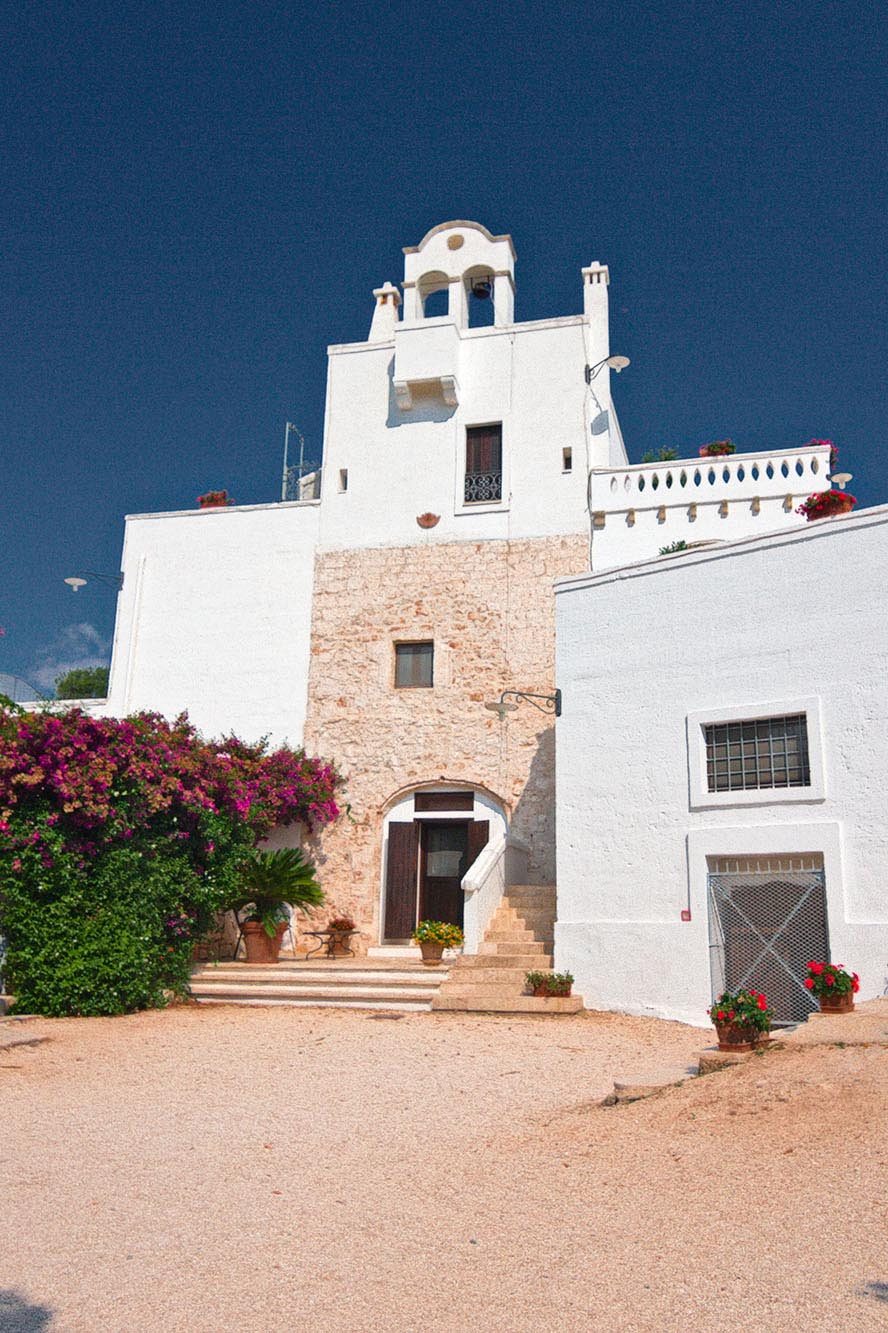
An evening square in Ostuni’s old townA whitewashed masseria in the countryside near Ostuni
Day 6 · An olive grove on the way
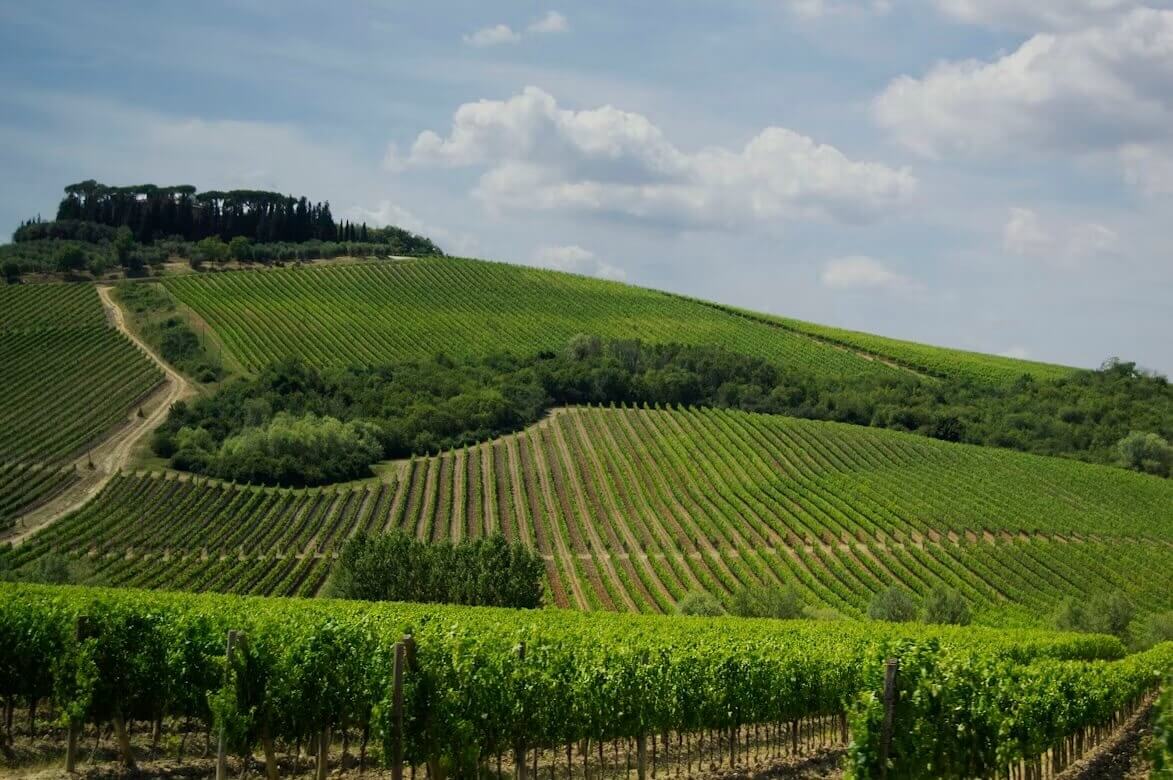
Leaving the Sassi meant climbing the steps this time, and after breakfast a porter took her suitcase up to the car. Martina had broken up the drive with a stop at an olive grove. By late morning, back in Puglia, Heather was walking among its trees, some said to date back a thousand years, on the grounds of a historic masseria. On the walk she heard how the land there used to be farmed, and after a tasting of olive oil she ate her picnic in the shade beside the grove.
A short drive on, she reached the thick-walled farmhouse, with a pool in the garden, where she would spend her last three nights in the countryside between Ostuni and Cisternino. She had settled in by about two and went nowhere else that day.
THE MASSERIA AT THE END
From a farmhouse out among the groves, nothing is within walking distance. Martina placed this one after five nights in two towns Heather could cross on foot. Every time Heather left, a driver came for her: fifteen minutes to Ostuni, half an hour to Alberobello.
Day 7 · Orecchiette in a trullo
In Alberobello at ten, a guide walked her through the town’s trulli, its cone-roofed stone houses. The Counts of Conversano, the guide said, had the settlers there build in dry stone, without mortar, so that each house counted as temporary and could easily be taken down. Then, in a restored trullo (the singular of trulli), a local cook shaped orecchiette, the small ear-shaped pasta, with a table knife and her thumb faster than Heather could follow. When the class was over, the cook asked her to stay for coffee, and they kept talking under the fig tree in the courtyard.
Around a quarter to eight she was driven to Ostuni and climbed its limewashed lanes to the cathedral at the top, which was rebuilt in the Gothic style between 1469 and 1495. She had dinner up there with a glass of Primitivo, a Puglian red.
Day 8 · A swim before lunch
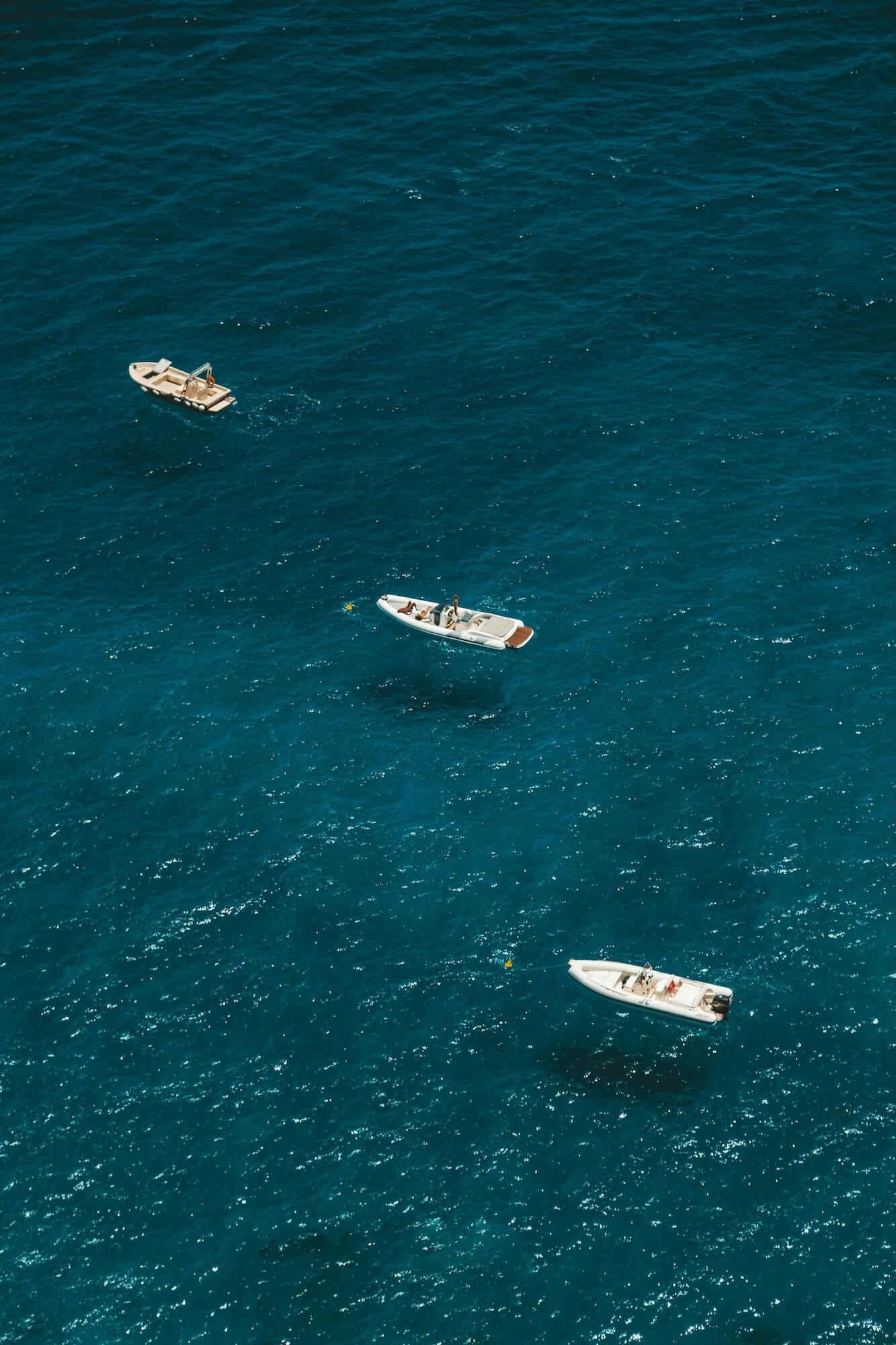
Heather had wanted hours to read, and she spent her last full day with a book and the sea. After breakfast a driver took her on the twenty-minute drive down to the sandy beach at Pilone, on the Ostuni coast. The beach lies inside the regional park that protects the dunes between Torre Canne and Torre San Leonardo. Low rocks broke up the sand, and she swam where the seabed stayed shallow a good way out. By lunch she was back at the farmhouse, and she read under an olive tree through the afternoon.
DEPARTURE
Private car to Brindisi Airport · approx. 45min · International flight
At the gate in Brindisi, Heather texted her daughter that she was boarding.
The water in late May
In late May the Adriatic off Puglia is still cool, around 64 to 68°F (18 to 20°C), and afternoon highs reach the mid-70s (about 24°C). A midday walk through Lecce or Matera is comfortable. The sun sets around ten past eight, which gave Heather long evenings in both Lecce and Ostuni.
The shape of the trip
CarCar
Lecce3 nights
Matera2 nights
Ostuni and the Masseria3 nights
EXPERIENCES
LECCE
Private Walking Tour of Lecce with Papier-Mâché Experience
MATERA
Private Walking Tour of Matera with Bread Experience
OSTUNI AND THE MASSERIA
Private Olive Oil Tasting and Picnic
OSTUNI AND THE MASSERIA
Private Cooking Class in a Trullo House
REVIEW
In
their
words
Everyone kept telling me I was brave, and I got tired of hearing it, because really I was just done waiting for someone else to decide where to eat dinner. The strange thing is, I was never lonely. The woman who taught me orecchiette talked with me for two hours, and the guide in Lecce gave me her own list of restaurants, while the driver always seemed to know when I wanted quiet. I brought home olive oil and a papier-mâché figure from the workshop in Lecce, and I know now that I can do this whenever I want.
CRAFTED BY
Martina Cicoli
Martina gets the practical details right for people traveling alone, from the kind of room to where the car can stop.
Heather had two days on which nobody else had a say, and she began one among the pre-Roman walls under a house in Lecce and the other with a swim off Pilone.
Every trip we plan begins with one of our travel planners asking how you like to travel, and nothing goes on paper until we have heard the answer. The experiences in this story were chosen for this trip, and we choose again for every new one.


 What
moves
you
You don't need to know where you want to go. Start with how you want to feel.
Explore all Moods
 Live
Italy
Moments shaped by the people who know these places as home.
Explore all Experiences
 Journeys
we loved
Journeys we design for our travelers, grouped by who is traveling. Each one shows how a first conversation becomes an itinerary, and none of them is a ready-made package.
Explore all Journeys