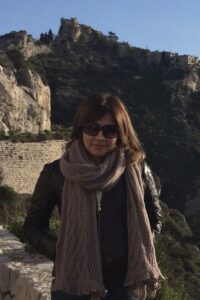
The photograph is small enough to fit in a jacket pocket, and the only writing on it is a year, penciled on the back: 1922. It shows Anthony‘s grandmother as a young woman, standing in front of a stone doorway a year before she sailed from Naples, and for decades it lay in his mother’s kitchen drawer in Boston. The family had always placed her somewhere in the hills east of Naples.
Anthony, past sixty and a third-generation Italian American, had little more to go on than the region and his grandmother’s family name, the one she was born with. It was his daughter Maria, thirty-two, who suggested they go looking together, and the brief Anthony gave See Italy was direct and uncertain at once: “My grandmother came from a small town in Campania. I have a last name and a region. I don’t know if the town still exists. I don’t know if there are any relatives left. But I need to go.”
Before suggesting a single hotel, Rose asked for a scan of both sides of the photograph and for anything else the drawer still held. She sent the family name to a local expert in Irpinia while Anthony and Maria were still choosing their dates. The trip she built started in Naples and moved inland to the hills of Irpinia, where the search pointed and where no one in the family had been in a century. Rose also added two nights on the Calabrian coast near Tropea, a part of the journey Anthony had not thought to ask for.
Anthony’s story is drawn from the many families who ask us to find a name in a parish register. Rose designs each search around one village and its archives, so yours would begin with your own surname.
01OF 3 STOPS
Naples
International arrival · Naples Capodichino Airport · Private car · approx. 25min
2 NIGHTS
Architectural details of the interior at ancient ruins of Colosseum amphitheatre in Rome Italy
Day 1 · Spaccanapoli from the balcony
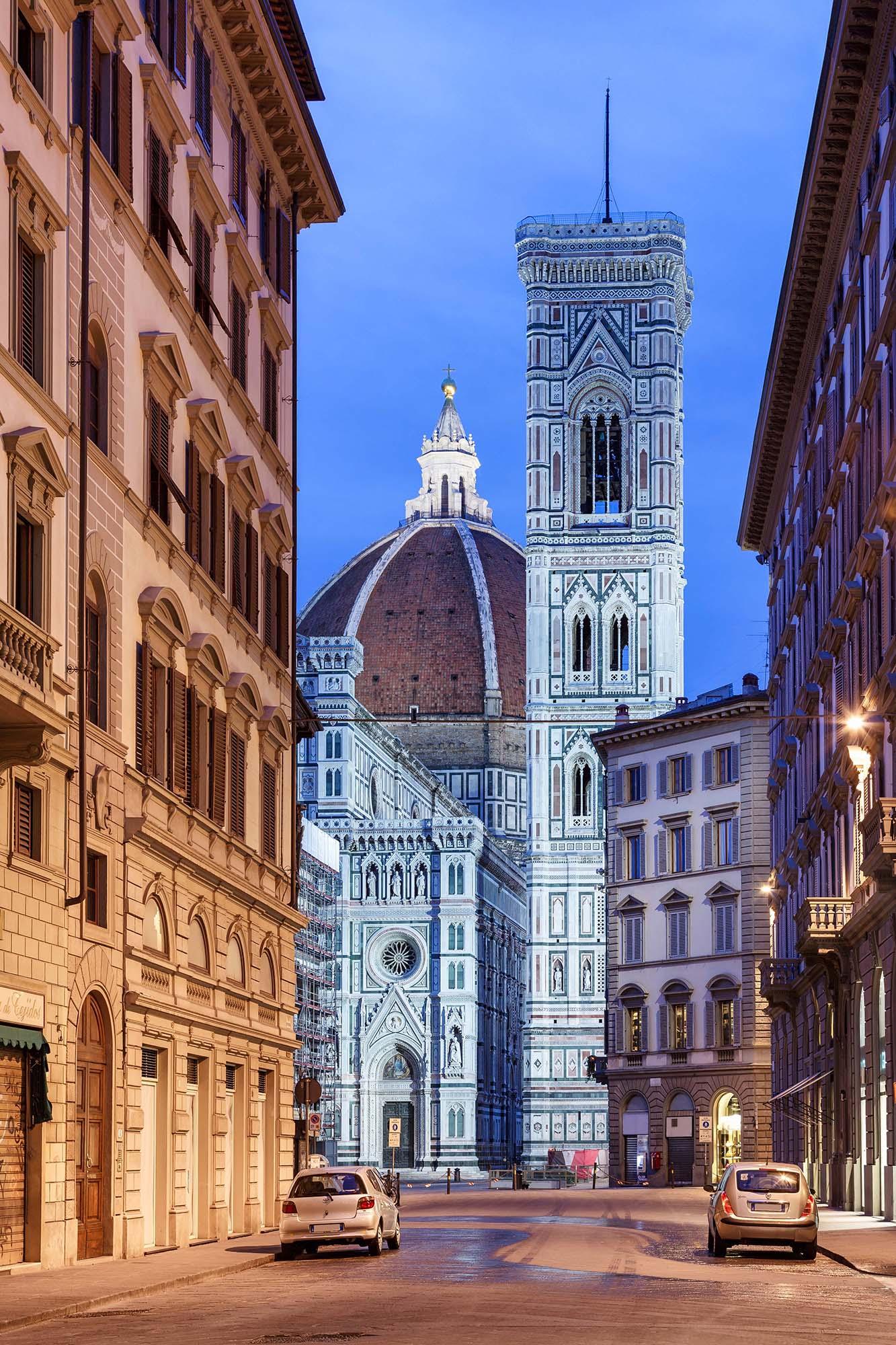
The drive in from Capodichino Airport, on the northern edge of Naples, was short. Anthony was soon on the balcony of his hotel room above Spaccanapoli, the long, straight street that follows one of the main roads of the ancient Greek city. He stayed there looking down at the laundry lines and the scooters, with voices coming up from every direction, until Maria came to get him.
At dusk they walked the length of Spaccanapoli, past the shrines set into the walls, and stopped at a counter where the line moves fast and the pizzas are small, made to be folded and eaten standing up. Anthony took a margherita, and Maria pointed at the fritta, the fried kind. Without thinking, he folded his into quarters, a portafoglio, like a wallet, and Maria laughed, because he had always told her that his grandmother folded hers that way.
Day 2 · Naples by the plate, then the harbor
At home in Boston Anthony drove everywhere. When the morning food tour was over, he let Maria know that he wanted to see the rest of Naples on foot and was not ready to go back to the hotel and sit down.
That afternoon Maria spent an hour at the Cappella Sansevero, the Sansevero Chapel, in front of the Veiled Christ that Giuseppe Sanmartino carved from a single block of marble in 1753. Anthony went down to the port, where his grandmother had boarded her ship for America in 1923, and from the waterfront beside Castel Nuovo he watched one of the ferries pull out for Capri. In the evening they met again for dinner at a trattoria in the Sanità district.
WHY THE TRIP OPENED IN NAPLES
For emigrants from Campania, the voyage to America began in the port of Naples, so Rose started in the city rather than in the hills. Two nights gave Anthony time to recover from the flight and to spend an afternoon by the water before the drive inland.
02OF 3 STOPS
Irpinia
Private car from Naples · approx. 1h, with a cooking-class lunch on the way
3 NIGHTS
Montella, Campania, Italy, Chestnut festival 2015
Day 3 · Lunch at an Irpinian family’s table
Less than an hour out of Naples, they left the autostrada (the toll highway) for secondary roads, and then lanes narrow enough that the driver backed up twice to let a tractor pass. Irpinia, in the interior of Campania, is green and thinly populated, and it looks nothing like the coast.
The cooking class with an Irpinian family doubled as their lunch. The family’s oldest cook, a woman who had made pasta by hand all her life, ran the pasta board, and Anthony watched her hands and said, almost to himself, that they moved the way his grandmother’s had. Maria went on rolling her dough without looking up. By late afternoon the car had reached the agriturismo (a farm stay), a stone farmhouse outside Avellino.
Day 4 · From the town hall to her street
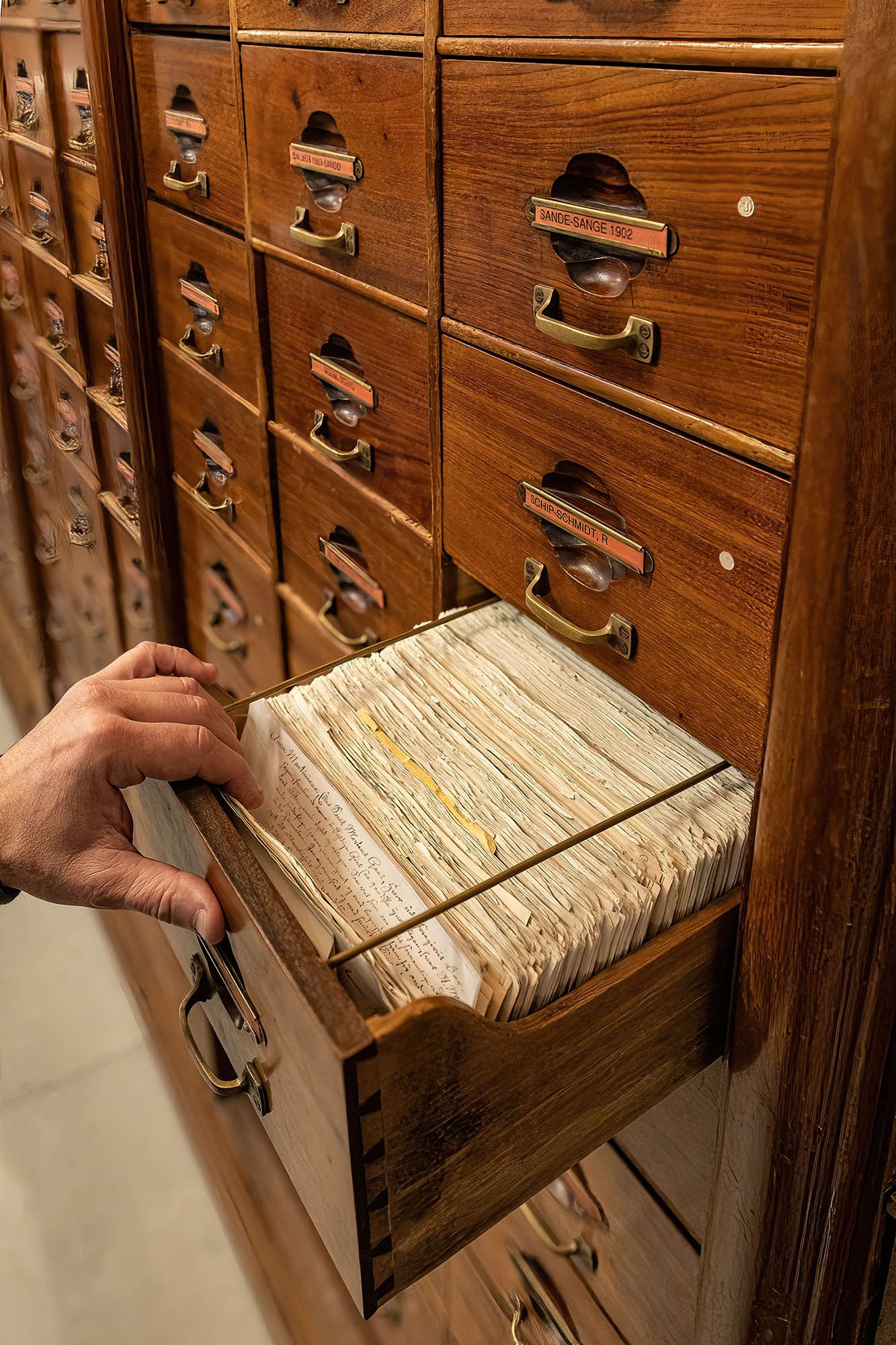
The local expert who had done the search met them at nine outside the comune, the town hall of a hill village above Avellino. Their driver was with them for the day. Inside, Maria’s Italian carried most of the conversations, and the expert stepped in whenever the dialect was too much for her. In the civil registry office a clerk brought out the volume for 1902 and opened it to the marriage record of Anthony’s great-grandparents, written in ink with the names and trades of the witnesses. A few volumes later came his grandmother’s birth record, which gave the street of the house where she was born.
At the parish church the priest had been told they were coming, and in the sacristy he turned the baptismal register to the page where the grandmother’s family name appeared again, this time in the hand of one of his predecessors.
After lunch the expert walked them to the street named in the birth record, a lane of stone houses climbing away from the church. House numbers in many of these towns have changed since 1900, so the house number on the record could not settle which house was hers. The expert stopped instead at a house with a small balcony over a stone doorway like the one in the old family photograph. Maria was still comparing the doorway with the scan on her phone when a woman stepped out of the house across the lane and heard the expert say the family name. “Ah, those were the ones who went to America,” she said, and asked them in for coffee.
WHERE THE SEARCH STARTS
The search started with the name. Italian records list a woman under her maiden name, while American documents usually file her under her husband’s, so the expert worked from the grandmother’s own name and from the scans Rose had collected. That work took a day of searching the registers before Anthony and Maria arrived (registry offices keep weekday-morning hours and each decides whether to show the original volumes, so we never schedule the registry day on a weekend). Civil registers were kept in two originals, one in the town and one filed with the court and today usually held by the State Archives, and a gap in one can sometimes be filled from the other. Results are never guaranteed, especially in Irpinia, where the earthquake of November 23, 1980, badly damaged many old town centers and some towns were rebuilt on new sites. When the records do not lead to a specific town, we spend the day in the area the family came from.
Day 5 · Among the chestnut trees
Anthony spent the next morning in the chestnut grove behind the agriturismo and came back a little before noon. At lunch they drank a Fiano di Avellino, one of the province’s three DOCG wines (the top tier of Italian wine law), and over the second glass Anthony said, “She grows up drinking this wine. She knows these hills.” Maria let it pass that he had slipped into the present tense. Before dinner he asked her to read him what she had written about the parish register.
WHY DAY 5 WAS LEFT OPEN
Because nobody can know in advance what a day in the registers will bring, Rose kept the next day clear. A car back to the town could have been arranged that morning if they had wanted one, but they chose to stay at the agriturismo.
WHAT STAYED
When they came back out into the lane, Anthony took the photograph out of his jacket and held it up beside the stone doorway under the balcony, and he did not put it away until Maria took his arm for the walk back to the car.
A lane above the parish church, on the fourth day.
03OF 3 STOPS
Calabrian Coast
Private car to Salerno · Frecciarossa in Business class to Lamezia Terme · Private car to Tropea, with a stop in Pizzo
2 NIGHTS
Day 6 · South by train, with a stop in Pizzo
They boarded a high-speed Frecciarossa at Salerno that morning and rode south to Lamezia Terme in business class, with the sea on the right for long stretches. Half an hour’s drive from the station, Pizzo is built on a cliff over the Gulf of Sant’Eufemia. The tartufo, a ball of gelato shaped by hand around a soft chocolate center, was first made here in the early 1950s. Once they had tried one, Maria ordered two more. From the main square they could see the castle where Joachim Murat, the French-born king of Naples, was shot in 1815. Maria pointed out that civil registers like the ones they had read in Irpinia began under his rule, in 1809.
From Pizzo it took thirty-five minutes to reach their hotel near Tropea. After dark they went up into the old town on the clifftop and ate at a place where ‘nduja, a soft, spicy pork salami that spreads like a paste, comes with almost everything. The red onions of Tropea, grown along this coast, are sweet enough to eat raw. They shared a plate of pasta with ‘nduja, which turned out hotter than Anthony had expected.
THREE SHORT DRIVES AND A TRAIN
The Frecciarossa that runs south along the Tyrrhenian coast stops at Salerno, a forty-five-minute drive from the agriturismo, and reaches Lamezia Terme in about two hours and thirty minutes. Driving the whole way from the hills of Avellino to Tropea takes more than four hours, so the train kept every stretch by car under an hour. Pizzo became the stop between the train and the hotel.
Day 7 · Under sail off Capo Vaticano
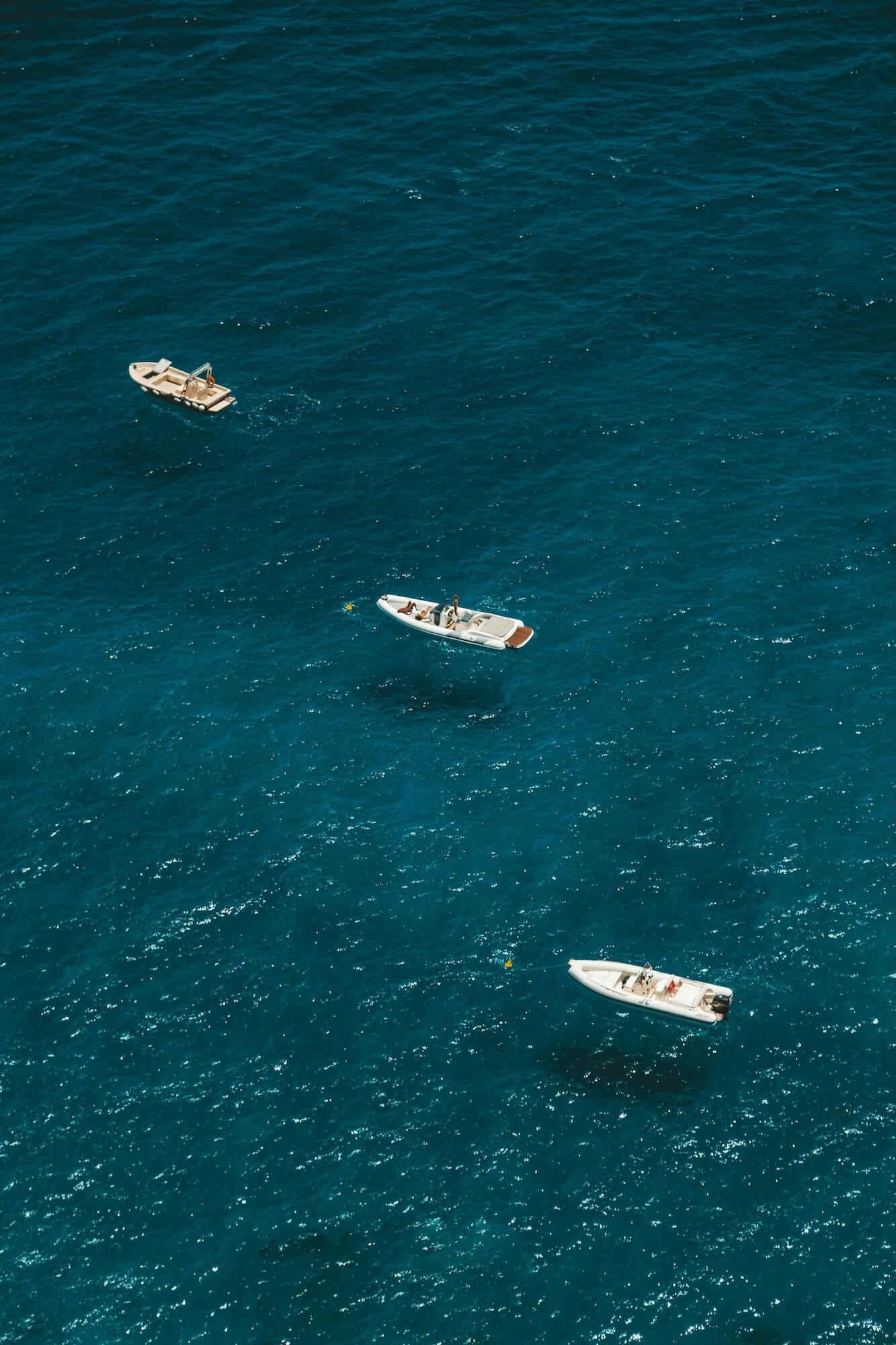
By midmorning they were on the sailboat, heading south along the Costa degli Dei toward Capo Vaticano, with the old town of Tropea on its cliff falling behind them. They swam twice on the way, and after the second swim they sat together on deck until the aperitivo was poured.
They passed the afternoon at the hotel, where Anthony stayed on the phone with Boston for most of an hour, telling the family what the registers had shown. They had their last dinner in Tropea over a bottle of red Cirò, made mainly from Gaglioppo grapes grown on the Ionian side of Calabria. Lit up on the rock that was once an island off the town, the Sanctuary of Santa Maria dell’Isola faced their table.
TWO NIGHTS THAT WERE NOT IN THE BRIEF
The coast was Rose’s addition, on the reasoning that a trip centered on one day in a town hall needs an ending that asks nothing of the travelers. Tropea, a train ride and a few short drives from Irpinia, could be reached without a flight. Apart from the half-hour tasting in Pizzo on the trip south, the sailing trip was the only booking on the coast.
DEPARTURE
Private car to Lamezia Terme Airport · approx. 1h
For the whole trip the photograph had ridden in the inside pocket of Anthony’s jacket, and it was still there when the car pulled up at Lamezia Terme Airport. On the plane he took it out and slipped it back into the envelope it had always been kept in, and when Maria asked him why, he said, “Because now I know where she was standing when they took it.”
Copies of the records
Town halls can issue copies of the civil records a family finds, but some offices hand them over the same morning and others mail them weeks later. The expert therefore puts in the request on the day of the visit, and we make no promise about timing. Anthony asked for copies of both records, to be sent to Boston.
The shape of the trip
CarTrain and Car
Naples2 nights
Irpinia3 nights
Calabrian Coast2 nights
EXPERIENCES
NAPLES
Private Food Tour in Naples
IRPINIA
Private Irpinia Hands-On Cooking Class with Lunch
CALABRIAN COAST
Private Tartufo Experience with Tasting in Pizzo
CALABRIAN COAST
Private Sailboat Tour along the Coast of the Gods
REVIEW
In
their
words
The time in Mistretta with Riccardo and Irena was emotional and made us feel our "roots" more than we ever have before. There were a lot of moving parts and See Italy's execution was outstanding. I got to spend this time with my children, which is priceless.
CRAFTED BY
Rose Dinello
Rose grew up at a table where everyone had a story to tell, and she plans a trip only after she has heard the family's own.
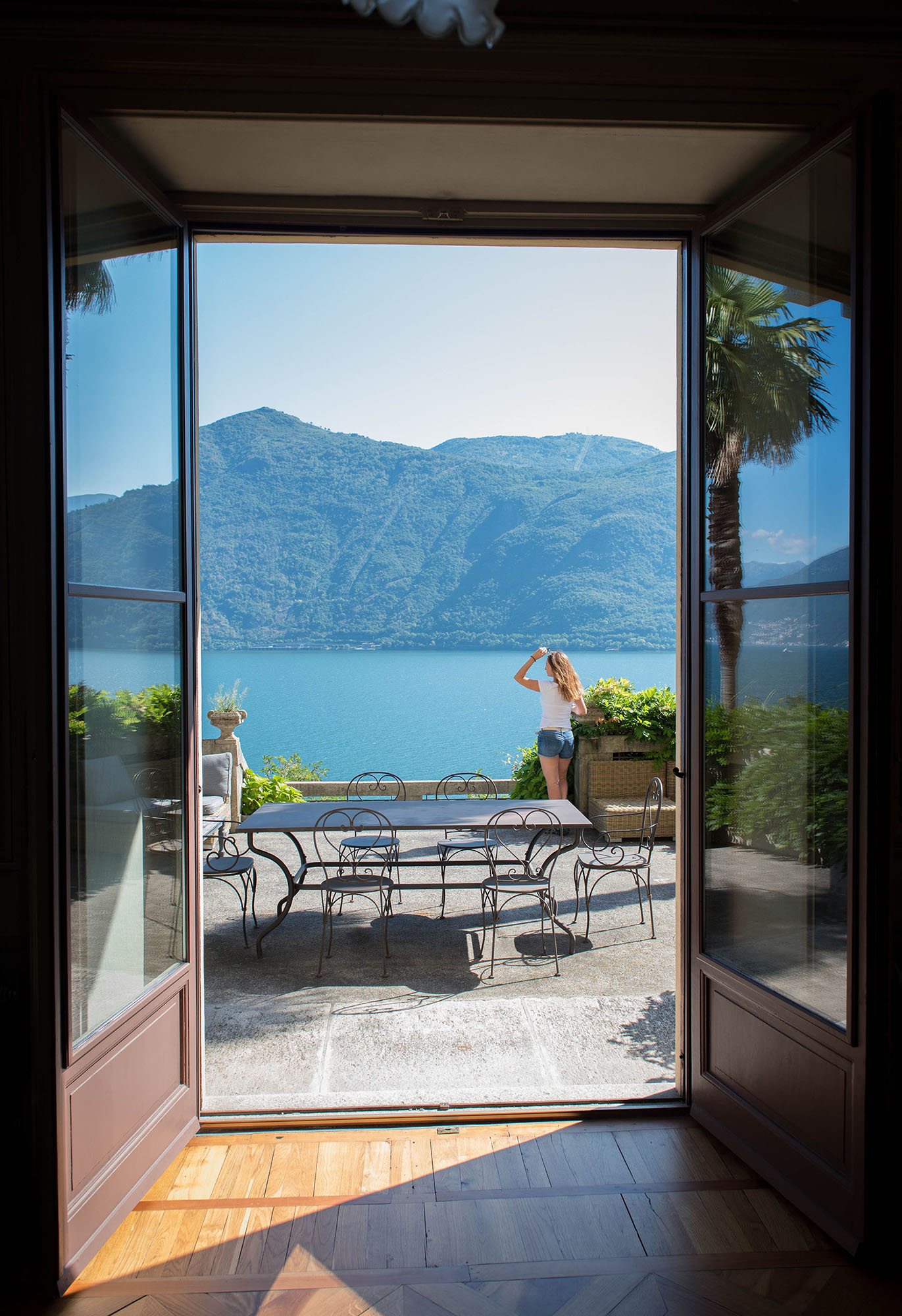
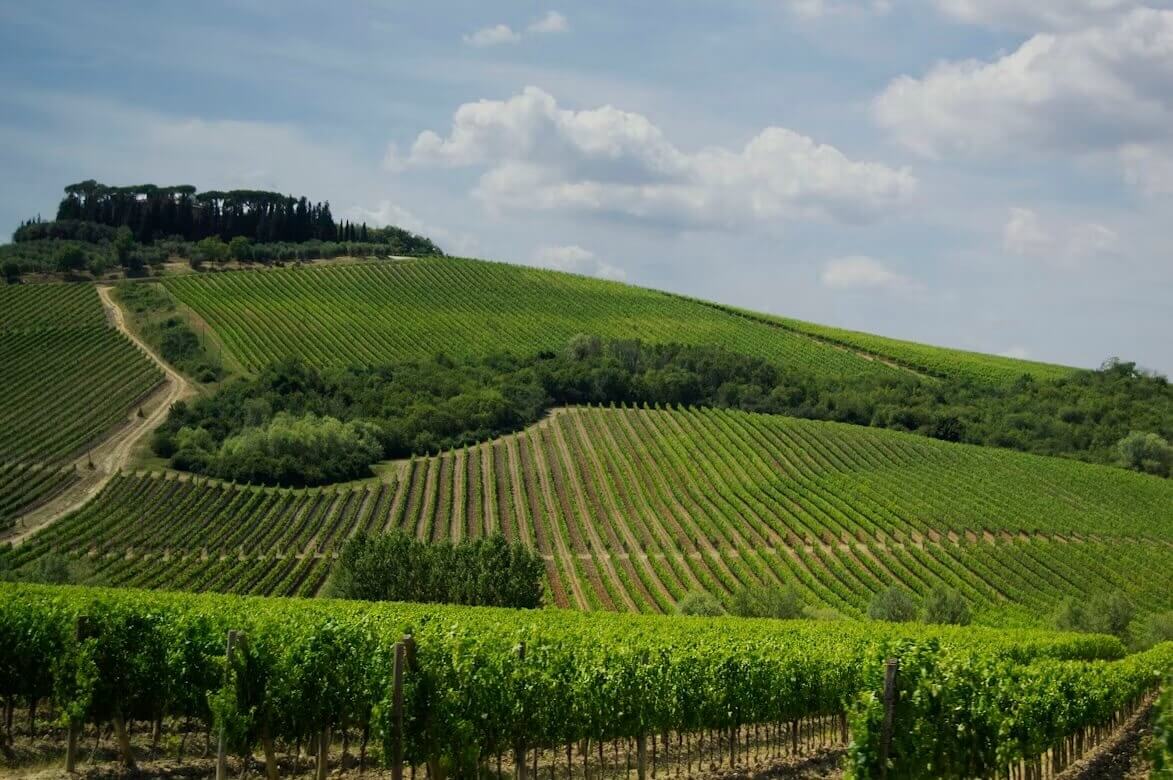
From the agriturismo terrace outside Avellino, the hills where the family had always placed Anthony's grandmother were green with chestnut trees and vines, an hour inland from the port where she boarded her ship.
Every trip we plan begins with one of our travel planners asking how you like to travel, and nothing goes on paper until we have heard the answer. The experiences in this story were chosen for this trip, and we choose again for every new one.


 What
moves
you
You don't need to know where you want to go. Start with how you want to feel.
Explore all Moods
 Live
Italy
Moments shaped by the people who know these places as home.
Explore all Experiences
 Journeys
we loved
Journeys we design for our travelers, grouped by who is traveling. Each one shows how a first conversation becomes an itinerary, and none of them is a ready-made package.
Explore all Journeys